

* Only visible on admin mode.
Data Layer Value
Value
DataLayer - GTM_Page_Type
DataLayer - GTM_page_category
Front Row MD ID

Content
Author
Reviewed by
Date
Category
Tags
Featured Product Image
Featured Product Title
Featured Product Excerpt
Featured Product Link

The Ultimate Guide to Whey Protein: Benefits, Risks, and Applications
Brief Introduction to Whey Protein and Its Origins
Brief Introduction to Whey Protein and Its Origins
Whey protein, derived from the liquid byproduct of cheese production, has gained widespread recognition in the health and fitness industry.
Whey protein’s role in health and wellness extends beyond just muscle building.
Its high content of branched-chain amino acids (BCAAs) makes it particularly effective in stimulating muscle protein synthesis.
A study published in The Journal of Applied Physiology found that whey protein significantly increases muscle protein synthesis, especially after resistance training.
Moreover, whey protein contributes to weight management by enhancing satiety, which can reduce overall calorie intake.
A European Journal of Clinical Nutrition study showed that participants who consumed whey protein experienced greater feelings of fullness and reduced subsequent food intake than those who drank other protein sources or carbohydrate supplements.
Whey protein also supports immune function, thanks to immunoglobulins and lactoferrin, which are known to enhance the body’s defense mechanisms.
Furthermore, whey protein has been linked to improved blood sugar control and reduced blood pressure, which are critical in managing chronic conditions like type 2 diabetes and cardiovascular disease.
A recent meta-analysis reported that whey protein supplementation significantly improved glycemic control in people with type 2 diabetes.
Definition and Composition
Definition and Composition

Whey protein is a complete protein derived from the liquid portion of milk that separates during the cheese-making process.
It contains all nine essential amino acids crucial for muscle repair, immune function, and overall health.
Whey protein is highly regarded for its bioavailability, meaning the body can quickly and efficiently absorb and utilize its nutrients.
In its natural state, whey protein is composed of water, lactose (milk sugar), fats, and proteins.
Types of Whey Protein: Concentrate, Isolate, and Hydrolysate
Types of Whey Protein: Concentrate, Isolate, and Hydrolysate
Whey protein comes in three main forms, each differing in protein content and the level of processing:
- Whey Protein Concentrate (WPC): This form typically contains between 70% to 80% protein by weight, the remainder being fats and lactose. It’s less processed than other forms, making it a more balanced option with additional nutritional benefits from the non-protein components.
- Whey Protein Isolate (WPI): Undergoing additional filtration, WPI is usually over 90% protein by weight, with most fats and lactose removed. This makes it a purer protein source, ideal for those avoiding lactose or seeking a higher protein content per serving.
- Whey Protein Hydrolysate (WPH): This form has been pre-digested through hydrolysis, breaking down the proteins into smaller peptides. The body absorbs WPH more rapidly, making it suitable for medical applications and fast recovery needs, though it comes at a higher cost.
How is Whey Protein Made?
How is Whey Protein Made?

The Cheese-Making Process and Whey Extraction
The Cheese-Making Process and Whey Extraction
Whey protein is a byproduct of the cheese-making process. When enzymes like rennet are added to milk, it curdles, separating into solid curds and liquid whey.
The curds are processed into cheese, while the liquid whey is collected for further processing. Initially, whey undergoes pasteurization to kill any harmful bacteria.
The liquid is then filtered to remove water, fats, and lactose, concentrating the protein content.
The result is a liquid whey concentrate that is then dried into powder.
Differences Between Types Based on Processing
Differences Between Types Based on Processing
The primary differences between whey protein concentrate, isolate, and hydrolysate stem from the degree of processing:
- Whey Protein Concentrate: This product involves minimal processing after the initial filtration, retaining more fats and lactose, which contributes to its broader nutritional profile.
- Whey Protein Isolate: It undergoes more intensive filtration processes, such as microfiltration or ion exchange, which remove nearly all fats and lactose, resulting in a higher protein concentration and fewer additional nutrients.
- Whey Protein Hydrolysate: This product includes an additional step of hydrolysis, where proteins are enzymatically broken down into smaller peptides. This enhances absorption speed and reduces potential allergic reactions , making it suitable for specialized nutritional needs.
Health Benefits of Whey Protein
Health Benefits of Whey Protein

Muscle Growth and Recovery
Muscle Growth and Recovery
Role of Amino Acids in Muscle Synthesis
Role of Amino Acids in Muscle Synthesis
According to Robert Stevens MD, “Whey protein is renowned for supporting muscle growth and recovery, primarily due to its rich content of essential amino acids, particularly branched-chain amino acids (BCAAs) like leucine, isoleucine, and valine.”
These amino acids play a critical role in muscle protein synthesis, the process by which the body repairs and builds new muscle tissue after exercise.
Whey protein’s rapid digestion and absorption further enhance its effectiveness in promoting muscle recovery.
Unlike other protein sources, which may take longer to break down and be utilized by the body, whey protein quickly delivers amino acids to muscle tissues, making it ideal for post-exercise nutrition.
This rapid delivery of nutrients helps kick-start recovery, reducing muscle soreness and improving overall muscle function.
Evidence from Studies on Athletic Performance
Evidence from Studies on Athletic Performance
Numerous studies have demonstrated the effectiveness of whey protein in enhancing athletic performance and supporting muscle growth.
A recent study published found that individuals supplemented with whey protein after resistance training experienced significantly more increases in muscle mass and strength than those who consumed a carbohydrate-based placebo.
Another study published in Frontiers found that whey protein supplementation improved muscle recovery and reduced markers of muscle damage and inflammation following intense exercise.
These findings highlight the critical role of whey protein in optimizing muscle recovery and growth, making it a valuable supplement for athletes, bodybuilders, and anyone engaged in regular physical activity.
Weight Management
Weight Management
Mechanisms of Promoting Satiety and Reducing Calorie Intake
Mechanisms of Promoting Satiety and Reducing Calorie Intake
Whey protein is also adequate for weight management, primarily due to its ability to enhance feelings of fullness or satiety.
This effect is attributed to the release of appetite-suppressing hormones such as cholecystokinin (CCK) and glucagon-like peptide-1 (GLP-1), which are triggered by ingesting whey protein.
Whey protein can help reduce overall calorie intake by promoting satiety, making it easier to adhere to a calorie-controlled diet.
In addition to its effects on satiety, whey protein has been shown to preserve lean muscle mass during weight loss, which is crucial for maintaining metabolic rate.
When combined with resistance training, whey protein can help prevent the loss of muscle mass that often accompanies calorie restriction, thereby supporting more effective weight loss.
Impact on Metabolism and Body Composition
Impact on Metabolism and Body Composition
Whey protein’s impact on metabolism extends beyond its role in satiety and muscle preservation.
Studies have shown that whey protein can increase thermogenesis, the body's process of generating heat and burning calories.
This thermogenic effect, combined with its ability to preserve lean muscle mass, makes whey protein a powerful tool for improving body composition—reducing fat mass while maintaining or increasing muscle mass.
Another study published found that individuals who supplemented with whey protein during a weight loss program experienced more significant reductions in body fat and a more favorable shift in body composition compared to those who consumed an equivalent amount of calories from carbohydrates.
These findings underscore the role of whey protein as a valuable supplement for anyone looking to improve body composition and achieve sustainable weight management.
Cardiovascular Health
Cardiovascular Health
Effects on Blood Pressure and Vascular Function
Effects on Blood Pressure and Vascular Function
Whey protein also supports cardiovascular health, particularly its effects on blood pressure and vascular function.
The bioactive peptides found in whey protein, such as lactokinins, have been shown to exhibit antihypertensive properties by inhibiting the angiotensin-converting enzyme (ACE), which plays a key role in regulating blood pressure.
By inhibiting ACE, these peptides help to relax blood vessels, thereby reducing blood pressure.
A study published in the American Journal of Clinical Nutrition found that daily supplementation with whey protein significantly reduced systolic and diastolic blood pressure in individuals with pre-hypertension and mild hypertension.
This reduction in blood pressure is believed to be a key mechanism by which whey protein supports overall cardiovascular health.
Studies Linking Whey Protein to Improved Heart Health
Studies Linking Whey Protein to Improved Heart Health
Beyond its effects on blood pressure, whey protein has been linked to other aspects of heart health, including improved lipid profiles and reduced inflammation.
A British Journal of Nutrition study found that whey protein supplementation improved cholesterol levels by lowering total and LDL (bad) cholesterol while increasing HDL (good) cholesterol in overweight and obese individuals.
These improvements in lipid profiles are critical for reducing the risk of atherosclerosis and other cardiovascular diseases.
Moreover, whey protein's anti-inflammatory properties, particularly its ability to reduce C-reactive protein (CRP) levels, further contribute to its cardiovascular benefits.
Chronic inflammation is a known risk factor for cardiovascular disease, and by reducing inflammation, whey protein may help lower the risk of heart-related complications.
Potential Risks and Considerations
Potential Risks and Considerations

Kidney and Liver Health
Kidney and Liver Health
Concerns for Individuals with Pre-existing Conditions
Concerns for Individuals with Pre-existing Conditions
While whey protein is generally considered safe for most individuals, it can pose risks for people with pre-existing kidney or liver conditions.
The primary concern lies in the high protein content, which can place additional stress on the kidneys and liver, organs responsible for processing and excreting waste products from protein metabolism.
In healthy individuals, the kidneys can efficiently manage this increased workload, but in those with compromised kidney function, such as individuals with chronic kidney disease (CKD), excessive protein intake can exacerbate the condition, potentially leading to further deterioration of kidney function.
Similarly, individuals with liver conditions, such as cirrhosis, must be cautious with high-protein diets, including whey protein supplementation.
The liver plays a critical role in protein metabolism, and in cases of liver dysfunction, the ability to process large amounts of protein can be impaired.
This can lead to the accumulation of toxic byproducts, such as ammonia, which can worsen liver-related complications.
Recommended Intake Levels
Recommended Intake Levels
Whey protein can be safely consumed within recommended levels for individuals without pre-existing conditions.
The Dietary Reference Intake (DRI) for protein for the average adult is 0.8 grams per kilogram of body weight per day.
However, for those engaging in regular, intense physical activity, protein needs may increase to 1.2 to 2.0 grams per kilogram of body weight per day.
It’s important to note that excessive protein intake, particularly above 2.5 grams per kilogram of body weight, may over time lead to unnecessary strain on the kidneys, even in healthy individuals.
Moderation and balance are vital to maximizing the benefits of whey protein while minimizing potential risks.
Digestive Health
Digestive Health
Impact on Gut Microbiota and Potential Digestive Issues
Impact on Gut Microbiota and Potential Digestive Issues
Whey protein is known to affect digestive health in various ways.
One area of concern is its impact on gut microbiota, the diverse community of microorganisms residing in the intestines that plays a crucial role in overall health.
Some studies suggest that a high protein intake, including whey protein, may alter gut microbiota composition, potentially leading to an imbalance of normal gut bacteria (dysbiosis) that could contribute to digestive issues and other health problems.
Common digestive issues associated with whey protein include bloating, gas, and diarrhea, particularly in lactose-intolerant individuals.
Whey protein concentrate, which contains lactose, can cause these symptoms.
On the other hand, whey protein isolate and hydrolysate contain minimal lactose and are generally better tolerated.
Nevertheless, some people may still experience digestive discomfort due to the rapid digestion and absorption of whey protein, which can overwhelm the digestive system.
To mitigate these potential digestive issues, individuals may consider starting with smaller doses of whey protein and gradually increasing the amount to allow their digestive system to adjust.
Additionally, choosing whey protein isolates or hydrolysates, which are lower in lactose, may help reduce the risk of gastrointestinal discomfort.
Skin and Bone Health
Skin and Bone Health
Link Between Whey Protein and Acne
Link Between Whey Protein and Acne
One more debated topic regarding whey protein consumption is its potential link to acne.
Some studies suggest that whey protein, mainly when consumed in large amounts, may exacerbate acne in specific individuals.
The exact mechanism has yet to be entirely understood, but it is believed that whey protein may increase insulin-like growth factor-1 (IGF-1) levels.
This hormone can stimulate the production of sebum (an oil present in skin and hair) and contribute to acne development.
A study published in the Journal of the European Academy of Dermatology and Venereology found that adolescent males who consumed whey protein supplements were likelier to develop acne or worsen existing acne conditions.
However, it is essential to note that these findings are not universal, and many individuals can consume whey protein without experiencing any adverse effects on their skin.
Those prone to acne or have a history of skin issues may want to monitor their skin condition when using whey protein and consult a dermatologist if necessary.
Effects on Bone Density and Health
Effects on Bone Density and Health
Concerns have been raised about the potential impact of high protein intake on bone health, particularly the idea that excessive protein consumption could lead to calcium loss and weakened bones.
However, current evidence suggests that this concern may be overstated.
Protein, including whey protein, is vital in maintaining bone health.
Protein provides the building blocks for bone formation, and adequate protein intake is essential for preserving bone density, especially in older adults.
A study published found that higher protein intake (including whey protein) was associated with greater bone mass density and a reduced risk of fractures in older adults.
This suggests that whey protein could support bone health rather than being detrimental, mainly when consumed as part of a balanced diet that includes sufficient calcium and other bone-supporting nutrients.
Applications of Whey Protein
Applications of Whey Protein

In Food Products
In Food Products
Use in Enhancing Nutritional Value and Texture
Use in Enhancing Nutritional Value and Texture
Whey protein is widely used in the food industry, not only for its nutritional benefits but also for its functional properties.
Its high protein content and rich amino acid profile make it an excellent ingredient for enhancing the nutritional value of various food products.
Whey protein can be incorporated into foods to increase protein content, making products more appealing to health-conscious consumers or those needing higher protein intake, such as athletes or the elderly.
Beyond its nutritional contributions, whey protein also improves the texture and consistency of food products.
It has excellent emulsifying, gelling, and foaming properties, which help create desirable textures in a wide range of food items.
For example, bakery products often use whey protein to improve texture and shelf life, dairy products to enhance creaminess, and meat products as a binder and texture enhancer.
Examples of Food Products Containing Whey Protein
Examples of Food Products Containing Whey Protein
Whey protein is found in various food products, reflecting its versatility and popularity as an ingredient.
Common examples include:
- Dairy Products: Whey protein is frequently added to yogurt, cheese, and ice cream to boost protein content and improve texture.
- Baked Goods: Whey protein is used in bread, muffins, and protein bars to enhance protein levels and improve moisture retention.
- Snack Foods: Many high-protein snacks, such as protein chips and cookies, contain whey protein as a convenient source of protein.
- Beverages: Whey protein is a key ingredient in protein shakes, meal replacement drinks, and fortified juices, offering a quick and easy way to increase protein intake.
These products cater to a growing market of consumers looking for functional foods that satisfy hunger and contribute to overall health and wellness.
In Child Nutrition
In Child Nutrition
Role in Infant Formulas and Child Growth
Role in Infant Formulas and Child Growth
Whey protein plays a significant role in child nutrition, particularly in the formulation of infant formulas.
Human breast milk naturally contains more whey protein than casein, making it easier for infants to digest and absorb nutrients.
Many infant formulas are fortified with whey protein to mimic the composition of breast milk, providing essential amino acids crucial for growth and development.
Including whey protein in infant formulas promotes healthy weight gain, supports immune function, and ensures proper muscle and tissue development.
Studies have shown that infants fed formulas containing whey protein exhibit growth patterns and developmental milestones similar to those of breastfed infants.
Balancing Benefits and Risks in Early Childhood
Balancing Benefits and Risks in Early Childhood
While whey protein is advantageous in early childhood nutrition, balancing its benefits with potential risks is important.
For instance, excessive protein intake in infants and young children can strain the kidneys, which are not fully developed and can handle large amounts of protein.
Therefore, infant formulas are carefully formulated to ensure the protein content is appropriate for the child's age and developmental stage.
Additionally, ongoing research is being conducted into the potential impact of early exposure to cow’s milk proteins, including whey, on the development of food allergies.
Although whey protein is generally well-tolerated, some infants may be allergic to cow’s milk protein, necessitating hypoallergenic formulas.
Parents and caregivers should consult with pediatricians to determine the most appropriate type and amount of protein for their child’s specific needs.
In Sports and Fitness
In Sports and Fitness
Popularity Among Athletes and Bodybuilders
Popularity Among Athletes and Bodybuilders
Whey protein is one of the most popular supplements among athletes and bodybuilders, thanks to its high biological value, rapid absorption, and rich content of essential amino acids, particularly leucine.
These properties make whey protein ideal for supporting muscle growth, enhancing recovery, and improving overall athletic performance.
It is commonly used by individuals aiming to increase muscle mass, improve strength, and optimize their body composition.
The popularity of whey protein in sports and fitness can be attributed to the extensive research supporting its efficacy.
Numerous studies have demonstrated that whey protein supplementation, especially when combined with resistance training, significantly enhances muscle hypertrophy and strength gains compared to resistance training alone.
Timing and Dosage for Optimal Results
Timing and Dosage for Optimal Results
For athletes and fitness enthusiasts, the timing and dosage of whey protein intake are crucial for maximizing its benefits.
According to Robert Stevens, MD, “Consuming whey protein shortly after exercise can enhance muscle protein synthesis, reduce muscle breakdown, and expedite recovery.”
This post-exercise window, often called the "anabolic window," is the optimal time to consume whey protein to promote muscle repair and growth.
The recommended dosage of whey protein varies depending on the individual’s body weight, activity level, and goals.
A standard guideline is to consume 20 to 40 grams of whey protein within 30 minutes to two hours after exercise. In addition, some sources recommend taking 10-20 grams of whey protein 15-20 minutes before a workout.
For those engaging in intense training or looking to build significant muscle mass, higher daily intakes of 1.6 to 2.2 grams of protein per kilogram of body weight are often recommended.
In addition to post-exercise consumption, some athletes may benefit from taking whey protein in smaller doses throughout the day to maintain a steady supply of amino acids, supporting continuous muscle repair and growth.
Environmental and Technological Perspectives
Environmental and Technological Perspectives

Sustainability Challenges
Sustainability Challenges
Ecological Impact of Whey Waste
Ecological Impact of Whey Waste
Whey production, especially as a byproduct of cheese-making, presents significant environmental challenges.
Traditionally, large quantities of whey were considered waste, often discarded into waterways or used as animal feed.
However, this waste disposal can have detrimental effects on the environment.
Whey waste contains high levels of organic matter, which, when released into water bodies, can lead to oxygen depletion and the subsequent death of aquatic life—a process known as eutrophication.
The sheer volume of whey waste produced globally adds to this problem.
The dairy industry generates millions of tons of whey waste annually, and improper disposal can overwhelm local ecosystems.
Recognizing the environmental risks, there has been a growing emphasis on finding sustainable ways to manage and repurpose whey waste.
The challenge lies in balancing the economic benefits of whey protein production with the need to protect the environment.
Innovations in Waste Management and Product Development
Innovations in Waste Management and Product Development
Several innovations in waste management and product development have emerged to address the environmental impact of whey waste.
One approach involves converting whey waste into bioenergy.
Whey can be used to produce biogas through anaerobic digestion, which can then be harnessed as a renewable energy source.
This reduces the environmental footprint of whey disposal and provides a sustainable energy alternative.
Another promising avenue is the development of value-added products from whey waste.
Researchers and companies have explored ways to extract and utilize the valuable components in whey, such as lactose and bioactive peptides, in various food and pharmaceutical applications.
This approach turns what was once considered waste into a valuable resource, promoting a circular economy within the dairy industry.
In addition to these innovations, there has been a push toward more sustainable dairy farming practices, which include better management of whey byproducts.
The industry can mitigate its environmental impact by improving the efficiency of whey processing and reducing waste while securing the economic benefits of whey protein production.
Technological Advances
Technological Advances
New Methods for Whey Protein Extraction and Enhancement
New Methods for Whey Protein Extraction and Enhancement
Technological advancements are crucial in improving the efficiency and sustainability of whey protein production.
Traditional methods of whey protein extraction, such as membrane filtration and ion exchange, have been refined to increase yield and reduce waste.
These methods involve separating whey protein from other components like fats and lactose, producing a purer product with a higher protein content.
Recent innovations in whey protein extraction include the development of more energy-efficient and environmentally friendly techniques.
For example, ultrafiltration and microfiltration technologies have advanced, allowing for the selective extraction of specific protein fractions while minimizing the use of chemicals and energy.
These processes enhance the quality of the whey protein produced and reduce the environmental impact of traditional extraction methods.
Another area of technological advancement is enhancing whey protein’s functional properties.
Scientists can modify whey protein through enzymatic hydrolysis and protein engineering techniques to improve its solubility, digestibility, and bioactivity.
These enhanced proteins can be tailored for specific applications, such as sports nutrition, medical foods, and functional beverages, expanding whey protein's versatility and market potential.
Future Trends in Whey Protein Applications
Future Trends in Whey Protein Applications
Looking ahead, the future of whey protein is likely to be shaped by ongoing technological innovations and changing consumer demands.
One emerging trend is the development of plant-based and hybrid protein products that combine whey protein with plant proteins to cater to the growing demand for plant-based diets.
These products offer the nutritional benefits of whey protein while addressing consumer preferences for sustainable and ethical food choices.
Another potential trend is the use of whey protein in personalized nutrition. Advances in nutrigenomics and personalized medicine will allow for tailored dietary interventions based on individual genetic profiles.
Whey protein, with its diverse range of bioactive components, could play a key role in these personalized nutrition plans, helping to optimize health outcomes based on an individual’s unique needs.
Additionally, the incorporation of whey protein into functional foods and beverages is expected to continue growing, driven by the increasing interest in health and wellness.
Final Thoughts on Incorporating Whey Protein into a Balanced Diet
Final Thoughts on Incorporating Whey Protein into a Balanced Diet
Incorporating whey protein into a balanced diet can offer significant health benefits, particularly for those looking to enhance muscle growth, manage weight, or support overall cardiovascular health.
However, like any supplement, whey protein should be used thoughtfully and in the context of an individual’s specific needs and goals.
Factors such as total protein intake, dietary preferences, and potential health conditions should be considered when deciding how to include whey protein.
For most people, whey protein can be a convenient and effective way to boost protein intake, especially when whole food sources may not be sufficient.
Whether used post-workout for muscle recovery, as part of a meal replacement for weight management, or as a nutritional enhancement in everyday foods, whey protein is in a well-rounded dietary plan.
As with any dietary supplement, it’s advisable to consult a healthcare provider or nutritionist before beginning a whey protein regimen, particularly for those with pre-existing health conditions.
By staying informed and making choices based on research and personal health needs, individuals can effectively incorporate whey protein into a balanced and healthful diet, maximizing its benefits and minimizing potential risks.
Related Articles
Related Articles
-
 Immunity, Lifestyle, LongevityHow Long Does It Really Take to Build a Healthy Habit?
You've probably heard that it takes 21 days to make a habit. It's one of those things that's been repeated so often that it starts to sound like a fact. Three weeks, and apparently, you're all set.
-
 Immunity, Lifestyle, LongevitySharper, Happier, Healthier: Supporting Your Brain in a Distracted World
Life right now is a LOT. Work, family, the endless scroll of notifications, the mental load that follows many of us well into midlife and beyond …it adds up. So, it makes sense that more people are starting to pay real attention to their brain health. Not just for the big, scary “what ifs” down the road, but for the everyday stuff: staying focused in a meeting, remembering where you put your keys, feeling mentally clear instead of foggy by 2 p.m.
-
 Immunity, Lifestyle, LongevityHow quickly should I lose weight?
If you’ve ever typed that into Google, asked a friend, or quietly wondered while stepping on the scale, you’re not alone. It’s one of the most common (and most frustrating) questions around weight loss. On one end, you’re promised dramatic results in days. On the other, you’re told to be patient, trust the process, and wait… indefinitely. Somewhere in the middle is real life, where progress feels slow, the scale doesn’t always cooperate, and your body doesn’t respond the way it used to.
-
 Immunity, Lifestyle, LongevityThe Upside of Stress: How to Make It Work for You
When most of us hear the word stress, our first reaction is a groan. We picture tight shoulders, sleepless nights, and that buzzing sense of being pulled in too many directions. Stress, in our modern conversations, usually plays the role of the villain. But here’s the twist: stress isn’t always the enemy. In fact, when we learn to look at it differently, stress can actually be an ally. Research shows that when we view stress as a normal, manageable response rather than a looming threat, our bodies react in surprising ways. Instead of spiraling into chaos, our heart rate and adrenaline can rise in ways that sharpen thinking, increase energy, and boost performance. In other words, stress can be a tool - not just an obstacle. The trick lies in how we understand it, how we frame it, and how we respond to it in everyday life.
-
 WomensHealth, HealthyAging, HormoneHealth, MidlifeWellnessInflammation Explained: The Good, The Bad, and The Manageable
When most people hear the word 'inflammation,' they picture sore knees or a swollen ankle after a fall. That image captures part of it, but inflammation is really your body’s built-in alarm and repair system. When something injures or irritates you (think a scraped knee, a bug bite, an infection, or even a spicy meal), your immune system sends cells and chemical messengers to the spot to contain the damage, clear out debris, and start healing.
-
 WomensHealth, HealthyAging, HormoneHealth, MidlifeWellnessCold Plunge: Is It Worth It? Let’s Dive In (Literally)
You’ve seen the tubs. You’ve seen the shivering influencers. Maybe your neighbor swears by it, or your gym just installed one. Cold plunging (or the act of immersing yourself in freezing-cold water) has become the wellness trend of the moment. But before you lower yourself into water that feels more Arctic than inviting, let’s take a look at what all the buzz is about.
-
 Immunity, Lifestyle, LongevityHow To Reclaim Your Strength and Stamina After 40
Somewhere in your 40s, your body starts whispering that things aren’t quite the same. The stairs feel steeper. That extra weight doesn’t come off as easily. And even after a decent night’s sleep, you’re still… tired. Sound familiar?
-
 Immunity, Lifestyle, LongevityNatural Ways to Balance Your Blood Sugar
Let’s talk about something that affects how we feel every single day - blood sugar. You might think of it only in relation to diabetes, but blood sugar balance plays a big role in your energy levels, focus, sleep quality, mood, and even weight. And the truth is, many people experience blood sugar ups and downs without realizing it.
-
 Immunity, Lifestyle, LongevityThe Power of Fiber: Why Your Body Loves It and How to Get More
Fiber: it’s the unsung hero of nutrition. While protein and healthy fats get all the glory, fiber quietly works behind the scenes, keeping everything running smoothly (literally). But did you know fiber does a lot more than just help with digestion? It’s essential for heart health, blood sugar balance, weight management, and even longevity. Yet, most Americans don’t get nearly enough of it.
-
 Immunity, Lifestyle, LongevityThe A-Z Definitive Guide to Juicing: Recipes, Benefits, and Tips
Ever downed a green juice, feeling like a wellness god—only to be hungry 30 minutes later? Or maybe you’ve seen influencers sipping fluorescent juices, promising detoxification, weight loss, and glowing skin. Juicing is one of the most polarizing health trends out there. Some swear by it as the ultimate health hack, while others argue it’s just overpriced sugar water in disguise. So what’s the truth?
-
 Immunity, Lifestyle, LongevityThe Ultimate Guide to Micro Breaks: Types, Benefits, and How to Use Them Effectively
In the hustle and bustle of daily work, it’s easy to overlook the need for rest. But science tells us that taking intentional, short pauses—known as micro-breaks—can dramatically improve your day. These quick breaks, lasting just 1 to 5 minutes, help reset your body and mind without disrupting your workflow.
-
 Immunity, Lifestyle, LongevityKnow Your Oats: A Comprehensive Guide
Oats are much more than a breakfast staple. They’re a superfood with an impressive nutritional profile, a wide range of health benefits, and incredible versatility in cooking. Whether you are trying to lose weight, support heart health, or enjoy a wholesome meal, oats deserve a prominent spot in your kitchen.
-
 Immunity, Lifestyle, Longevity5 Steps to a Healthier You
As we embark on another year, many of us are looking for ways to improve our overall health and well-being. The good news? You don’t need a complete life overhaul to feel healthier. Small, manageable changes can have a big impact, especially when it comes to holistic health. Here are five easy steps to help you thrive, starting today.
-
 Immunity, Lifestyle, LongevityAdvancing Health with GLP-1: Innovations, Applications, and Future Directions
Glucagon-like peptide-1 (GLP-1) is a cornerstone in understanding and treating metabolic disorders. Discovered in the 1980s, GLP-1’s role in regulating glucose metabolism and appetite led to groundbreaking innovations in therapeutic applications.
-
 Immunity, Lifestyle, LongevityThe Ultimate Guide to Hydration: Why Water is Crucial for Your Health
Water is often called the "elixir of life" for a good reason. It is a vital nutrient that sustains almost every aspect of our body's functioning. Hydration is crucial in maintaining overall health and well-being, from cellular activity to organ systems. Yet, the importance of hydration is often underestimated once its absence is felt, either through dehydration or overhydration.
-
 Immunity, Lifestyle, LongevityVO₂ Max: The Key to Unlocking Your Aerobic Fitness and Longevity
VO₂ max is the maximum rate at which your body can use oxygen during intense exercise. It indicates how efficiently your body transports and uses oxygen, directly impacting endurance. Whether you're an athlete aiming to boost endurance or someone looking to improve heart health and longevity, understanding VO₂ max is crucial.
-
 Immunity, Lifestyle, LongevityUnderstanding and Managing Urinary Tract Infections (UTIs): Prevention, Treatment, and Complications
(UTIs) are a common health issue for women over the age of 45, with up to 50% of women experiencing at least one UTI in their lifetime. The prevalence of UTIs increases as women age, particularly after menopause, due to various anatomical and physiological changes. These infections, although often treatable, can significantly affect the quality of life and, if left untreated, lead to serious health complications.
-
 Immunity, Lifestyle, LongevityFunctional Fitness – Move Better and Feel Stronger
Let’s face it: we’ve all been there. You bend down to pick something up, and suddenly, you groan like a haunted house door. Carrying groceries? Feels like you’re training for the Olympics. And that stubborn pickle jar? It’s like arm-wrestling a champion. But guess what? Functional fitness can help you with all of that—and more.
-
 Immunity, Lifestyle, LongevityThe Definitive Guide to Melatonin
Melatonin is a hormone naturally produced in the pineal gland, a tiny structure located in the brain. Its primary role is to regulate the sleep-wake cycle by signaling to the body when it is time to sleep. Darkness influences the release of melatonin; as night falls, melatonin levels rise, helping to prepare the body for sleep, and they decrease in the morning with exposure to light.
-
 Immunity, Lifestyle, LongevityThe Definitive Guide to Migraines
Migraines are more than just a headache; they are a neurological condition affecting millions worldwide. Characterized by intense, often debilitating pain, migraines can significantly impact the quality of life, affecting everything from work productivity to personal relationships. Understanding migraines, including causes, treatment, and management, is crucial for those affected.
- Immunity, Lifestyle, LongevityThe Ultimate Guide to Whey Protein: Benefits, Risks, and Applications
Whey protein, derived from the liquid byproduct of cheese production, has gained widespread recognition in the health and fitness industry. Whey protein’s role in health and wellness extends beyond just muscle building. Its high content of branched-chain amino acids (BCAAs) makes it particularly effective in stimulating muscle protein synthesis.
-
 Immunity, Lifestyle, LongevityMaster the Cyclical Keto Diet: Tips, Benefits, and Meal Plans
The cyclical keto diet (CKD) is all about low-carb and high-carb days. You’ll follow a low-carb diet for 5-6 days, focus on healthy fats and proteins, and then switch to 1-2 days of higher-carb consumption. This pattern will replenish glycogen stores and increase metabolic flexibility, allowing your body to switch between burning fats for energy on keto days and carbs for energy during the keto cycle days.
-
 WomensHealth, HealthyAging, HormoneHealth, MidlifeWellnessInfrared Saunas: Exploring Their Health Benefits and Uses
Various studies show that passive heat therapies, such as saunas, can help with detoxification, pain relief, sleep, and cardiovascular health. Let’s examine how regular sessions provide potential health benefits with less discomfort than traditional heated saunas.
-
 Immunity, Lifestyle, Longevity9 Health-Boosting Benefits of Dark Chocolate
Dark chocolate, often a delicious indulgence, is a powerhouse of nutrients and antioxidants with numerous health benefits. This article will explore ten compelling reasons why incorporating dark chocolate into your diet can support a healthy lifestyle.
-
 Immunity, Lifestyle, LongevityPractical Ways to Keep Your Bladder Healthy
The bladder is a balloon-shaped, hollow organ in the lower abdomen. Its main job is to store urine, which is fluid filtered from the blood by the kidneys and transported to the bladder through the ureters. This triangular, muscular organ can hold up to 2 cups of urine for 2 to 5 hours before it needs to be emptied.
-
 Immunity, Lifestyle, LongevityWhat Is Collagen: Types, Benefits, and Uses
Collagen is about 30% of our body’s total protein and is the main component of skin, muscles, bones, tendons, ligaments, and other connective tissue. As a structural protein, it holds cells together, provides strength and support, and gives skin its elasticity. It’s essential for healthy bones, skin, blood vessels, and organs. Without collagen, the fundamental structure of our connective tissue and organs' function would be missing.
-
 Immunity, Lifestyle, LongevityGreens for Digestion: Do They Help with Digestion?
Greens powders are more than just a blend of green vegetables; they are a nutrient-dense powerhouse for digestive health. These powders often contain a mix of fiber-rich plants, probiotics, and digestive enzymes that work together to support gut health and a balanced digestive environment.
-
 Immunity, Lifestyle, LongevityThe Truth About Metabolism: What You Need to Know
Metabolism is the sum of all the chemical processes in your body to digest and absorb nutrients from food to sustain life. This complex system includes total energy expenditure (TEE), the sum of basal metabolic rate (BMR), energy used for physical activities, and energy used to digest food.
-
 Immunity, Lifestyle, LongevitySatiety: How to Feel Full and Satisfied
Satiety is the feeling of fullness and satisfaction after a meal. It helps you control your appetite and manage your weight. But what causes it, and how can you make it last longer? In this post, we’ll explain the science of satiety, the nutrients that make you feel full, and practical tips to increase satiety in your daily meals.
-
 Immunity, Lifestyle, LongevityFunctional Foods for Optimal Health: A Beginner’s Guide
Functional foods do more than nourish you; they’re a key part of being proactive about your health. This guide will cover functional foods, their benefits, and how to add them to your diet easily.
-
 Immunity, Lifestyle, LongevityPlyometrics to Build Strength and Speed
Plyometric exercises are explosive movements that combine speed and power and challenge muscles to exert force in quick intervals. This builds muscle power and efficiency. These exercises are often called “jump training” and involve short bursts of high-intensity movements, such as jumping up or sideways.
-
 Immunity, Lifestyle, LongevityPolyphasic Sleep Schedules: Benefits, Risks, and Practical Tips
Polyphasic sleep schedules break your sleep into multiple short periods throughout the day. People use polyphasic sleep patterns to spend more hours awake, increasing productivity. Is it effective, and is it safe? This article covers the pros and cons of polyphasic sleep schedules and provides a how-to.
-
 Immunity, Lifestyle, LongevityDigestive Enzyme vs Probiotic: Which is Best for Your Gut Health?
Digestive enzyme vs probiotic: which one should you choose for your gut health? Both aid digestion but work differently. This article explains their roles and helps you decide which suits you.
-
 Immunity, Lifestyle, LongevityFrom Struggle to Strength: Navigating Women's Mental Health
Why are women more likely to experience conditions like anxiety and depression, and what resources exist to navigate these challenges? A complex interplay of psychological, hormonal, and societal factors shapes women’s mental health. This article gets into the heart of the matter, clarifying risk factors, shedding light on gender-specific barriers, and spotlighting effective treatments tailored to women’s unique health needs.
-
 Immunity, Lifestyle, LongevityElectrolytes: Functions, Benefits, and Common Imbalances
Electrolytes are minerals like sodium, potassium, and magnesium that are charged when dissolved in body fluids; they are essential for nerve and muscle function, hydration, and balance of the body fluids. This article explores their roles, benefits, and imbalances.
-
 WomensHealth, HealthyAging, HormoneHealth, MidlifeWellnessVaginal Dryness: Causes, Treatment, and Best Remedies
Vaginal dryness, often associated with vaginal atrophy, is a silent affliction that can advance on women, particularly as they transition into the postmenopausal phase of life or experience hormonal shifts after surgical removal of ovaries.
-
 Immunity, Lifestyle, LongevityTop Vitamins for Energy: Boost Your Day with These Essentials
Looking to boost your energy naturally? This article covers the top vitamins for energy and how they can help. Discover how vital nutrients like Vitamin B, Iron, and Vitamin D can energize and improve overall vitality.
-
 Immunity, Lifestyle, LongevityUnlocking the Mind: The Surprising Cognitive Benefits of Mushrooms
Are you curious about how mushrooms can improve your cognitive function? This article explores specific mushrooms known for boosting memory, learning, and overall brain performance, with insights from scientific research.
-
 Immunity, Lifestyle, LongevityMastering Your Sweet Tooth: A Practical Guide to Quitting Sugar Successfully
Ready to break free from sugar’s sweet grasp? You’re about to discover how to conquer those sugar cravings, decode tricky food labels, and make empowering choices for a healthier lifestyle. Forget the fluff; we’re getting straight to the heart of the matter with real strategies that can lead to results.
-
 Immunity, Lifestyle, LongevityThe Best High Protein Snack Options to Fuel Your Day
Looking for a high-protein snack to keep you energized and satisfied throughout the day? Snacking smart with protein-rich choices is crucial for maintaining muscle, boosting energy, and regulating appetite. Whether you need a quick bite between meals, a pre-workout boost, or a healthy option, we’ve covered you with 15 top high-protein snacks that are delicious, versatile, and easy to enjoy anywhere.
-
 Immunity, Lifestyle, LongevityElevating Health: The Nutritional Impact of Super Greens Powder
Wondering if super greens powder lives up to the hype? Look no further. We’re diving straight into the tangible benefits of integrating this nutrient powerhouse into your diet—think fortified immunity, natural energy uplift, and crucial vitamins and minerals, all with minimal prep. Continue reading for a factual, no-nonsense breakdown of super greens powder benefits and how they can support a vibrant lifestyle.
-
 Immunity, Lifestyle, LongevityMaximize Gains with Strategic Heavy Lifts: The Ultimate Guide
Heavy lifting is often thrown around a lot in the fitness world, but what does it mean? Heavy lifting is defined by lifting 80% of your one repetition maximum (1RM), the maximum weight you can lift for one complete repetition. The intensity of the workout is high, meaning your muscles should be significantly stressed. The weights are considered heavy when sets last two to three repetitions, are intense and challenging.
-
 WomensHealth, HealthyAging, HormoneHealth, MidlifeWellnessThe Definitive Guide To Menopause
Menopause marks the end of a woman’s menstrual cycle and brings many changes to the body. It usually occurs between 45 and 55, with an average onset at 51. This article covers the top 10 must-know facts on menopause, from common symptoms like hot flashes and mood swings to long-term health risks and management strategies.
-
 Immunity, Lifestyle, LongevityExploring Sea Moss: Top Health Benefits Revealed
Are you curious about what sea moss can do for your health? You've come to the right place! Sea moss is packed with important nutrients that can help keep your thyroid healthy, make your immune system stronger, and help your stomach digest food better. In this article, we're going to talk about all the great things sea moss can do, look at what scientists say about it, and share some fun ways to eat sea moss. Let's get started!
-
 Immunity, Lifestyle, LongevityAre Air Fryers Safe? Exploring the Truth Behind Health Claims
Concerned about air fryer safety? This article provides clear, concise answers. We investigate the question, “Are air fryers safe?” by delving into their safety features and comparing the safety profile of air frying to traditional methods. By the end of this read, you’ll have a balanced understanding of air fryer safety within the context of everyday cooking and health.
-
 Immunity, Lifestyle, LongevityIgnite Your Relationship: 21 Intimacy Ideas to Bring You Closer than Ever
Craving a deeper bond? Dive into our straightforward guide brimming with ideas for intimacy that will elevate your relationship's emotional, physical, and intellectual dimensions. Stripped of fluff, this article delivers 35 actionable ways to enhance closeness with your partner, providing the variety necessary to strengthen your union. Embark on a journey to a more intimate connection now.
-
 Immunity, Lifestyle, LongevityRevolutionize Your Fitness: The Unexpected Benefits of Walking Backwards
It’s time to take a step back, literally! Backward walking, once relegated to the realm of eccentricity or rehabilitation, is now emerging as a fascinating twist on traditional fitness routines. Ready for a workout that challenges the norm and amplifies your fitness? Discover the benefits of walking backward, read on, and get prepared to move in reverse.
-
 Immunity, Lifestyle, LongevityDigital Detox 2023: Reclaim Your Mind and Time
In today’s fast-paced, technology-driven world, it’s easy to become overwhelmed and lose sight of what truly matters. That’s where a digital detox comes in - a rejuvenating break from technology that allows you to reconnect with yourself, others, and the world around you. A digital detox is an intentional disconnection from digital devices and technology for a period of time, allowing you to let go of the tension that comes from being constantly connected.
-
 Immunity, Lifestyle, LongevityTransform Your Health with the Magic of Holistic Nutrition
Are you searching for a more fulfilling and environmentally conscious approach to nutrition? Discover the power of holistic nutrition, a comprehensive approach focusing on mind, body, and spirit interconnectedness. This blog post will explore how holistic nutrition emphasizes natural, nutrient-rich foods and mindful eating practices for overall well-being.
-
 Immunity, Lifestyle, LongevityMaster Your Body Clock: The Science of Circadian Rhythms
Have you ever wondered why you feel sleepy at night and awake during the day? It’s all thanks to your body’s internal clock, known as the circadian rhythm. These rhythms govern your sleep-wake cycle, metabolism, and even your mood. But what happens when these circadian rhythms are disrupted? In this blog post, we’ll dive deep into circadian rhythms, explore factors that can affect them, and discuss strategies for maintaining a healthy sleep-wake cycle.
-
 Immunity, Lifestyle, LongevityRevolutionize Your Weight Loss Journey with Atomic Habits: The Ultimate Guide
In the realm of self-improvement, few concepts have been as transformative as that of "Atomic Habits." But how do you apply these principles to one of our most persistent challenges - weight loss? That's exactly what we'll explore in this guide: applying Atomic Habits to your weight loss journey.
-
 Immunity, Lifestyle, LongevityMeat-Only Miracle? Exploring the Carnivore Diet's Potential for Thriving Health
Today, we will explore the carnivore diet, a unique dietary approach gaining popularity in the health and fitness world. It might initially seem counterintuitive - a diet consisting solely of animal products. But you read that right! The carnivore diet encourages you to indulge in your inner carnivore and consume only animal-based products. Remember, variety is typically recommended for a balanced diet, with a mix of both plant and animal sources.
-
 Immunity, Lifestyle, LongevityEco-Friendly Living: Transform Your Health & the Planet with These Sustainable Habits
The choices you make every day can promote your health, strengthen your community and support ecologically sound practices. While individual choices may seem minor in light of the collective impact of the 8 billion people living on Earth, prioritizing sustainability is a meaningful way to connect personal and planetary well-being. Find out how your health and lifestyle choices can improve your life, set a positive example and contribute toward saving the planet.
-
 Immunity, Lifestyle, LongevityRevolutionize Your Gut Health: Simple Steps for Big Results
The choices you make every day can promote your health, strengthen your community and support ecologically sound practices. While individual choices may seem minor in light of the collective impact of the 8 billion people living on Earth, prioritizing sustainability is a meaningful way to connect personal and planetary well-being. Find out how your health and lifestyle choices can improve your life, set a positive example and contribute toward saving the planet.
-
 Immunity, Lifestyle, Longevity4 Proven Strategies for a Healthy Liver
The liver is a large organ in the abdomen that is responsible for many different functions. In this context, it is no wonder that the liver is a vital organ that constantly works to make sure you stay in good health. Therefore, it is a good thing to include activities or behaviors in your daily routine that can help your liver maintain a healthy function.
-
 Immunity, Lifestyle, LongevityCurcumin vs Turmeric: Unraveling the Power of Nature's Golden Spice
Natural foods that people have enjoyed for hundreds of years are often sources of great health benefits, and turmeric is an excellent example. The spice has gained a higher profile in recent years as a food and supplement. Recently, experts have added curcumin to the conversation, sometimes using the words interchangeably. What are the differences between curcumin and turmeric, and which should you take for the most benefits?
-
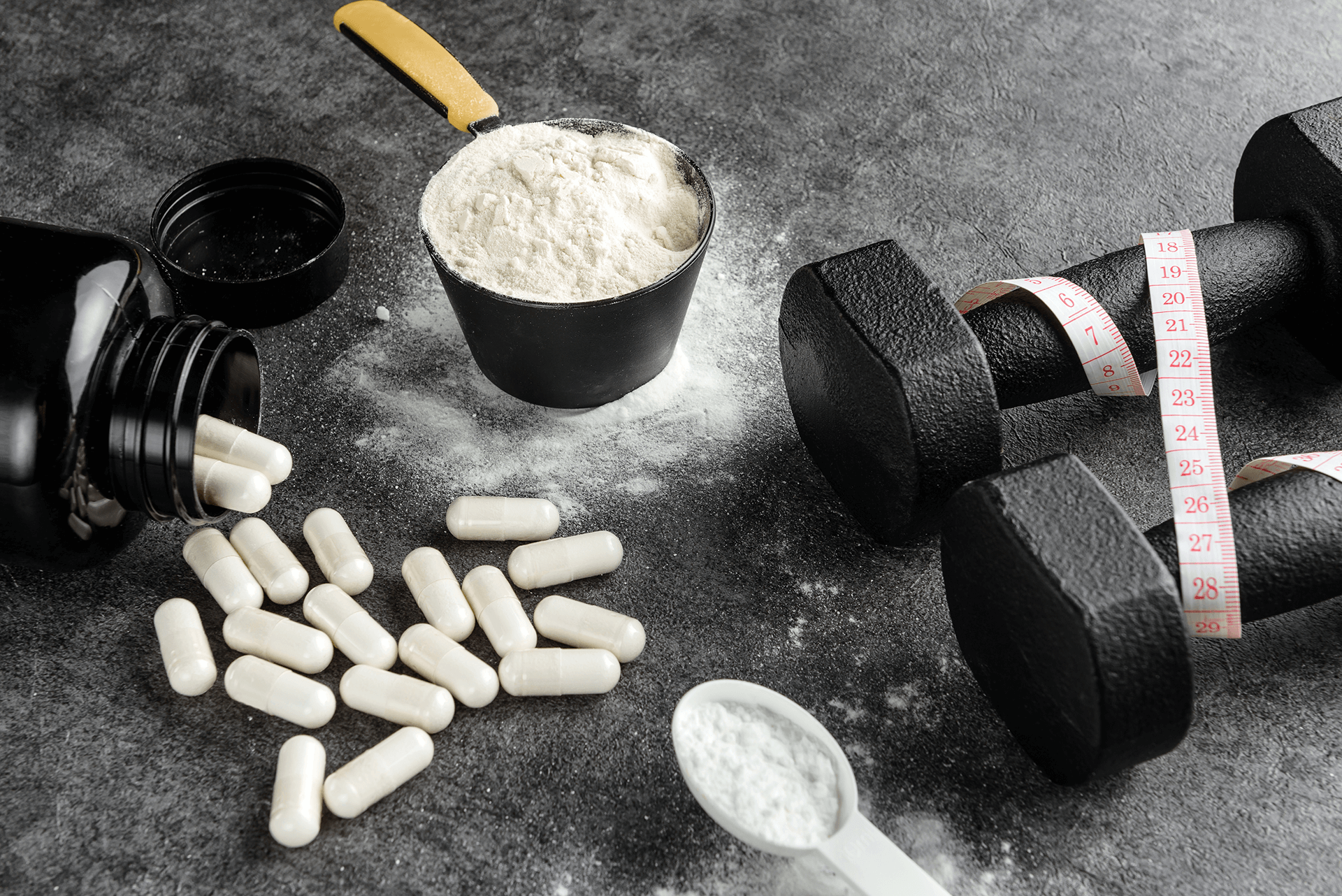 Immunity, Lifestyle, LongevityCreatine and Hair Loss: Myth or Reality?
Creatine is a compound naturally produced in the body. It is also found in certain foods, such as meat and fish. The body uses creatine to supply energy to cells, particularly muscle cells. Creatine works by increasing the body's ability to produce energy rapidly. This can help improve muscle strength and endurance, especially during high-intensity activities such as weightlifting and sprinting.
-
 Immunity, Lifestyle, LongevityCOVID-19's Shadow: Unveiling the Silent Pandemic's Impact on Mental Health
It is safe to say COVID-19's impact will have generational consequences surpassing its health and death toll. Despite the devastation of this illness, it brought the necessity of mental healthcare to light, forcing the re-evaluation of existing stigmas and biases. The pandemic's toll on mental health is real and reaching, but people are learning to cope and recover with a new focus and priority on self-care.
-
 Immunity, Lifestyle, LongevityPee Color Decoded: What It Tells About Your Health
Urine naturally has a yellow color due to the pigment urochrome. Urine changes in color based on its concentration of urochrome and the presence of other pigments. Some color variations are normal, but others may indicate a medical problem or the need to adjust your diet or lifestyle.
-
 Immunity, Lifestyle, Longevity5 Surprising Health Boosts from Safflower Oil You Didn't Know About
There are many health-promoting supplements out there, and safflower oil is one of the best. This extract from the safflower plant is a fat commonly used to cook foods. However, many people are unaware that this unassuming oil also has various possible health benefits. When taken in concentrated supplement form, oil from safflowers may boost your wellness.
-
 Immunity, Lifestyle, LongevitySaw Palmetto: A Women's Health Game-Changer? Pros and Cons
Saw palmetto is a small palm native to the southeastern part of the United States. The fruit of this palm is frequently used in supplement formulas targeted at men. Some of its more well-known uses are to treat an enlarged prostate, enhance hair growth and improve the function of the urinary tract. While men have long used this ingredient, some women take it for specific health conditions and needs. Here are some pros and cons of using saw palmetto for women.
-
 Immunity, Lifestyle, Longevity14 Sleep Hacks for Deeper, More Refreshing Sleep
Many parents set a bedtime and strictly enforce it for their children, regardless of how much they beg for just one more hour. Unfortunately, adults are sometimes more relaxed about maintaining their bedtime. A consistent nighttime routine can help you get more quality sleep. If you are currently staying up late into the night working, watching TV, or scrolling social media, choose a bedtime that works for you and then gradually adjust your sleep schedule to achieve it. Go to bed 15-20 minutes earlier every few days for two weeks until you reach your target bedtime. Once you have your sleep routine established, stick to it, even on the weekends.
-
 Immunity, Lifestyle, LongevitySolving the Mystery of a Yellow Tongue: Causes and Solutions
We all like to look our best and make a great impression, so it can be disheartening when something is off with our appearance. That includes a yellow tongue. When you do not feel as though your mouth looks good or healthy, you may hesitate to laugh, speak and socialize. Rather than try to hide it, learn why this may be an issue and how to clear it up.
-
 Immunity, Lifestyle, LongevityLife-Changing Benefits: 6 Reasons to Embrace Intermittent Fasting
Simply put, intermittent fasting is the idea of cycling between eating and fasting. Now, there are different ways that you intermittently fast yourself, and it really comes down to how long you plan to fast for at once.
-
 Immunity, Lifestyle, Longevity6 Must-Have Supplements for Peak Health and Brainpower
While it isn't exactly contagious, cognitive dysfunction (the scientific name for brain fog) is becoming more prevalent for around 600 million well-meaning and competent thinkers worldwide. While we aren't exactly what we eat, we are affected mentally and physically by what we eat. The human gut is responsible for a large part of our intellectual and physiological functioning. Our brains receive continual messaging from the flora in our digestive tract, whose genes number around 20 million, compared with a human body's 20,000 genes. You might be thinking, but wait a minute. Isn't the gut part of my body? Nope. Technically, it starts at the opening called the mouth and ends at the anus. Everything inside the digestive tract is actually outside of our bodies, connecting with us through the linings of our digestive organs as food and molecules move to and from outside our tissues via blood vessels to inside our bodies.
-
 Immunity, Lifestyle, LongevitySay Goodbye to Bloating: 6 Effective Ways to Feel Lighter
From time-to-time, we can all feel a little (or very) bloated. Bloating is the feeling that you get when your belly feels enlarged or swollen when you’re done eating. Bloating can be caused by too much gas production in the stomach or disrupted movement of the muscles that help your digestive system process food and drink. If you feel like you’re experiencing bloating regularly, you’re not alone—this is reported to happen in about 19% of people .
-
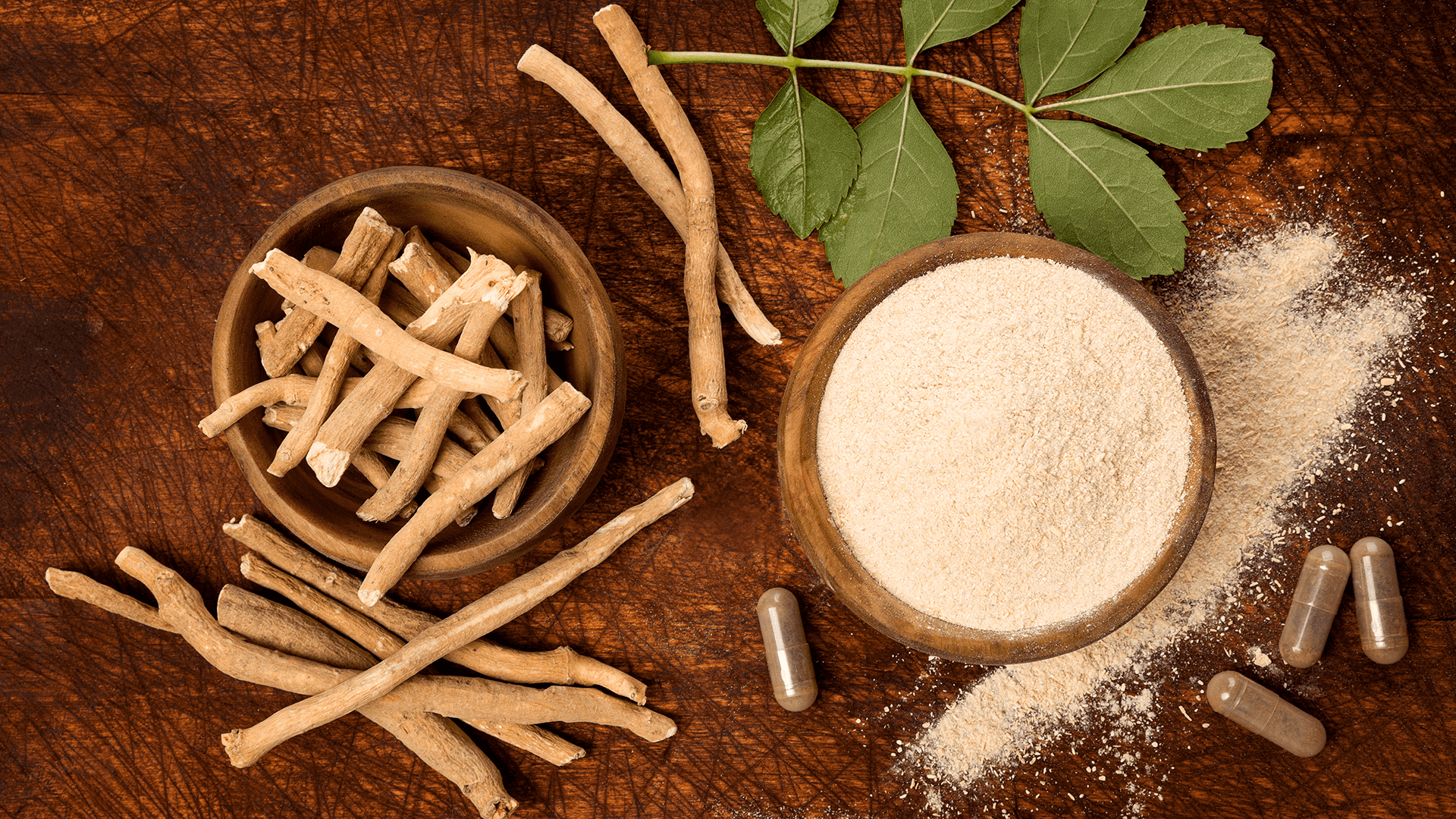 Immunity, Lifestyle, LongevityDiscover the 7 Miraculous Benefits of Ashwagandha, Backed by Science!
Ashwagandha is an evergreen shrub that is commonly used as a medicinal herb. The root and berry portion of this herb are traditionally used as Ayurvedic medicine in India. It is primarily grown in Asia and Africa and is referred to as an adaptogen—it helps the body adapt and handle stress. Here are some of the benefits of ashwagandha that are backed by science. As mentioned, ashwagandha has been used in traditional Indian medicine for several millennia. Traditionally, it is used to relieve stress, aid concentration, and boost energy levels.
-
 Immunity, Lifestyle, Longevity7 Proven Reasons Why Collagen is Your Health's Best Friend
Collagen is one of the most common proteins found in the human body. It offers structural support, playing a major role in connective tissues around the body. Though the body is capable of making its own supply of collagen, aging can slow down this process. People can combat collagen loss by supplementing their natural reservoir with outside sources. Collagen can be found in foods such as bone broth and beans, but most diets are still deficient in collagen peptides. That's why collagen supplements have quickly gained popularity in recent years.
-
 Immunity, Lifestyle, Longevity8 Warning Signs You're Not Hydrated Enough
We’ve all heard the classic “drink 8 glasses of water a day” as a standard measure of how much water we should be drinking daily. But what happens when we don’t get enough water in our bodies? Here, you’ll find 8 signs that are often experienced by people who are dehydrated and often indicate that you need to drink more water. It might be obvious, but it’s a telltale sign that you are clearly not drinking enough water. The problem is, when we become stressed or are active, we often forget that these kinds of things can actually cause our bodies to use more water, resulting in states of dehydration. This is because both stress and exercise are things that demand a lot of energy, and water is required by our cells to make this kind of energy.
-
 Immunity, Lifestyle, LongevityDigestive Enzymes: Your Secret Weapon for Optimal Gut Health
While many of us might take probiotics for gut health, many aren’t aware that digestive enzymes can also help to support a balanced gut by digesting the food that we eat. Adding Digestive Enzyme Pro Blend to your daily routine can help improve digestion, reduce bloating, and assist in better absorption of nutrients. It can also reduce instances of other gastrointestinal discomfort like abdominal pain, diarrhea, and constipation. We break down the health benefits of digestive enzymes, how to include it into your lifestyle, and much more in this article!
-
 Immunity, Lifestyle, LongevityMultivitamins Unveiled: A Nutrient for Every Health Goal
Optimally, we get enough of these micronutrients in our food and water when we eat a well-balanced, nourishing diet, but many people don't eat enough fruits and veggies in today's world. We can help to boost our intake with multivitamin supplements. It's important to note that too much of some vitamins or minerals can also be harmful. A multivitamin typically contains vitamins and minerals.
-
 Immunity, Lifestyle, LongevityMushrooms: The Unsung Heroes of Natural Health
Classified as a fungus (or fungi for plural), mushrooms are almost like a cross between a fruit and a plant, except plants and fruits have seeds which sprout into more plants and fruits when planted. In contrast, the seeds of mushrooms are actually called spores, which are released into the air and carried in the wind until they hit the ground. Once on the ground, these spores feed off of the surrounding environment (soil or wood) and form roots. The network of roots formed by these spores is called a mycelium, and the mycelium provides the foundation by which mature mushrooms (the actual “mushroom cap”) sprout from the ground.
-
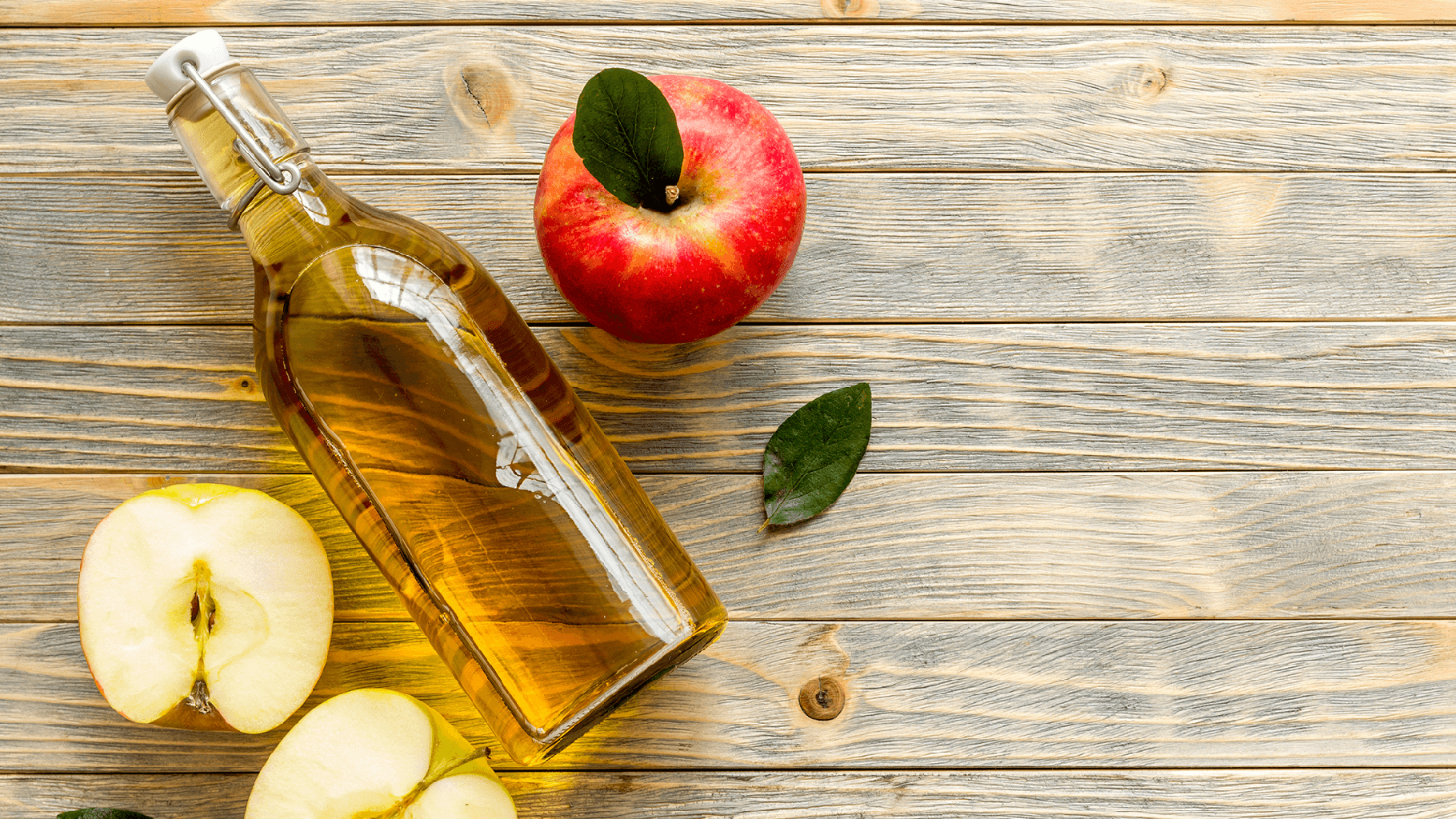 Immunity, Lifestyle, LongevityShed Pounds with Apple Cider Vinegar? Separating Fact from Fiction
If you want to lose weight, you're not alone. We all want to fit into the cutest swimsuits, slide easily into the airplane seat, and feel confident walking down the street. According to the CDC, almost half of Americans are trying to lose weight. That's a lot of people, so you're in good company. People of all shapes and sizes spend billions of dollars each year on products, coaches, therapies, and diet plans to help them shed unwanted weight.
-
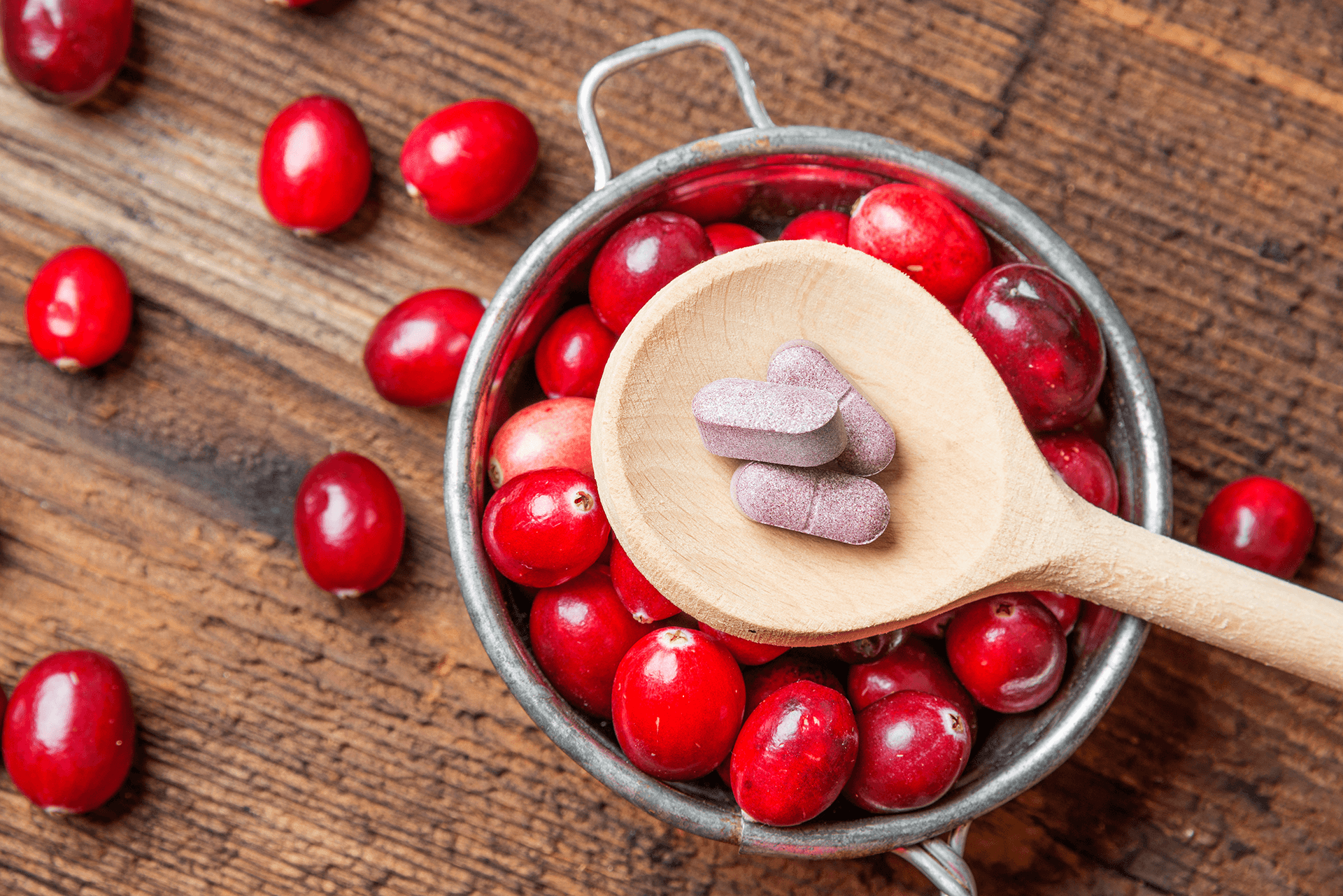 Immunity, Lifestyle, LongevityCranberry Pills: Nature's Answer to a Healthier You
Often used in sauces and juices, cranberries may not be the first thing that pops into your head when you think about nutritional supplements. However, these small red berries are considered to be a superfood due to the nutrients and health benefits they can provide. Here's how cranberry pills can be beneficial, especially as a supplement for women's health.
-
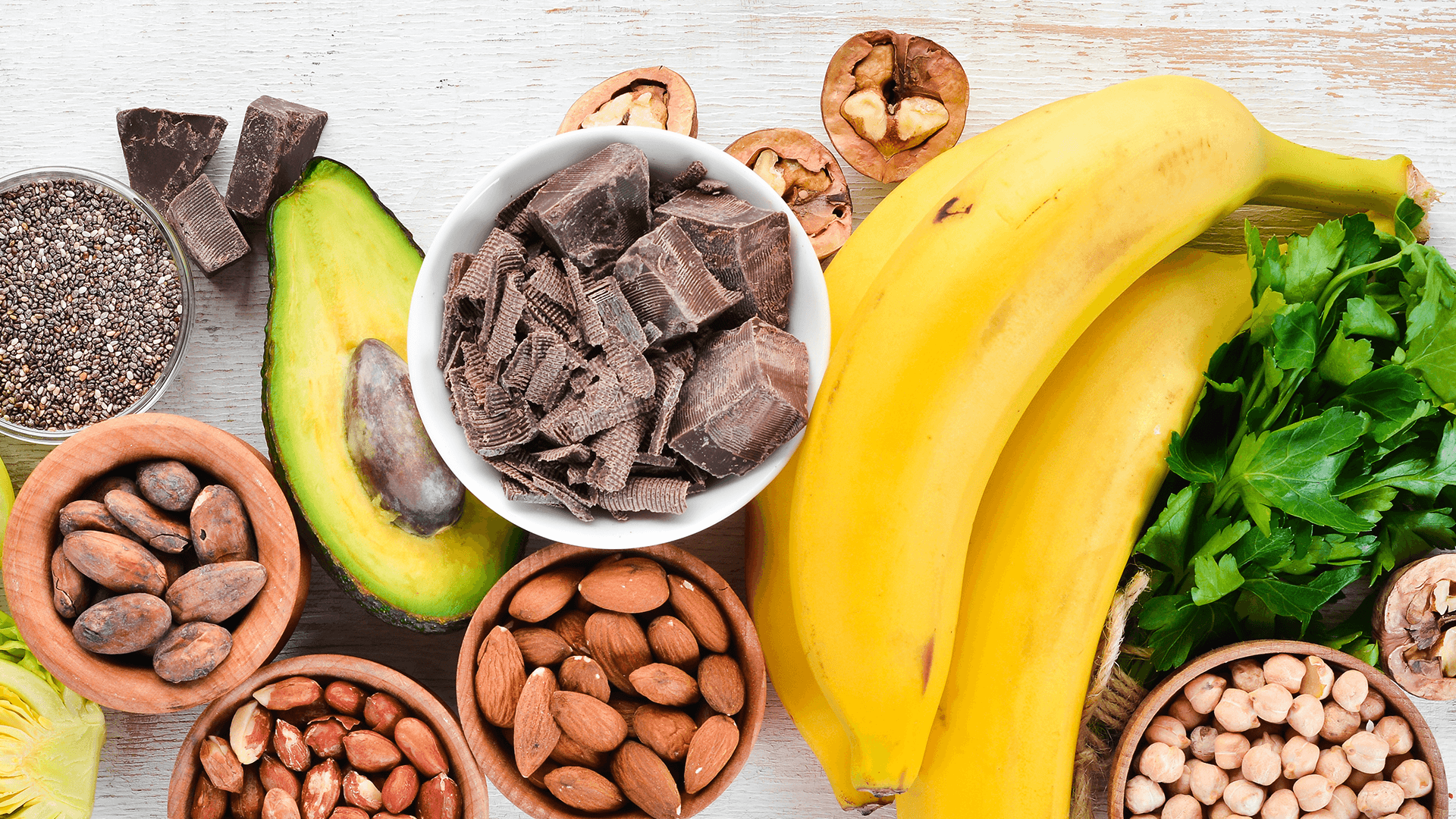 Immunity, Lifestyle, LongevityUnlock the Full Potential of Magnesium for Your Health
Magnesium is an essential mineral. Your body needs it to function, yet approximately 50% of the U.S. population does not consume the recommended daily allowance. Only three other minerals are more abundant within your body. Though the RDA is 320 mg for women and 420 mg for men, those levels may not provide sufficient protection against chronic diseases. Here are the benefits of magnesium for physical and mental health.
-
 Immunity, Lifestyle, LongevityBiotin: Unlocking the Secret to Luscious Hair and Vibrant Health
Taking of your hair, skin, and nails is paramount for living a healthy lifestyle and looking good. Keep in mind, though, that without the proper vitamins and minerals in your diet, it won’t be possible. Your body needs vitamins like B7, also known as Biotin, to create proteins and amino acids we need to survive. We cannot synthesize Biotin ourselves, so we have to make sure we eat enough Biotin-rich foods.
-
 Immunity, Lifestyle, LongevityBrain Power Boost: Essential Tips for a Healthy Mind
Just as you need to take care of every other organ and system in your body, you need to take care of your brain. It's connected to every essential bodily function, so poor brain health can lead to not just mental issues but physical ones as well. Improving your brain's wellness isn't complex. Taking a holistic, well-rounded approach can help you support and protect this vital organ. What you choose to eat can have a major impact on your brain. Be sure to get plenty of these important nutrients to keep it strong and resilient.
-
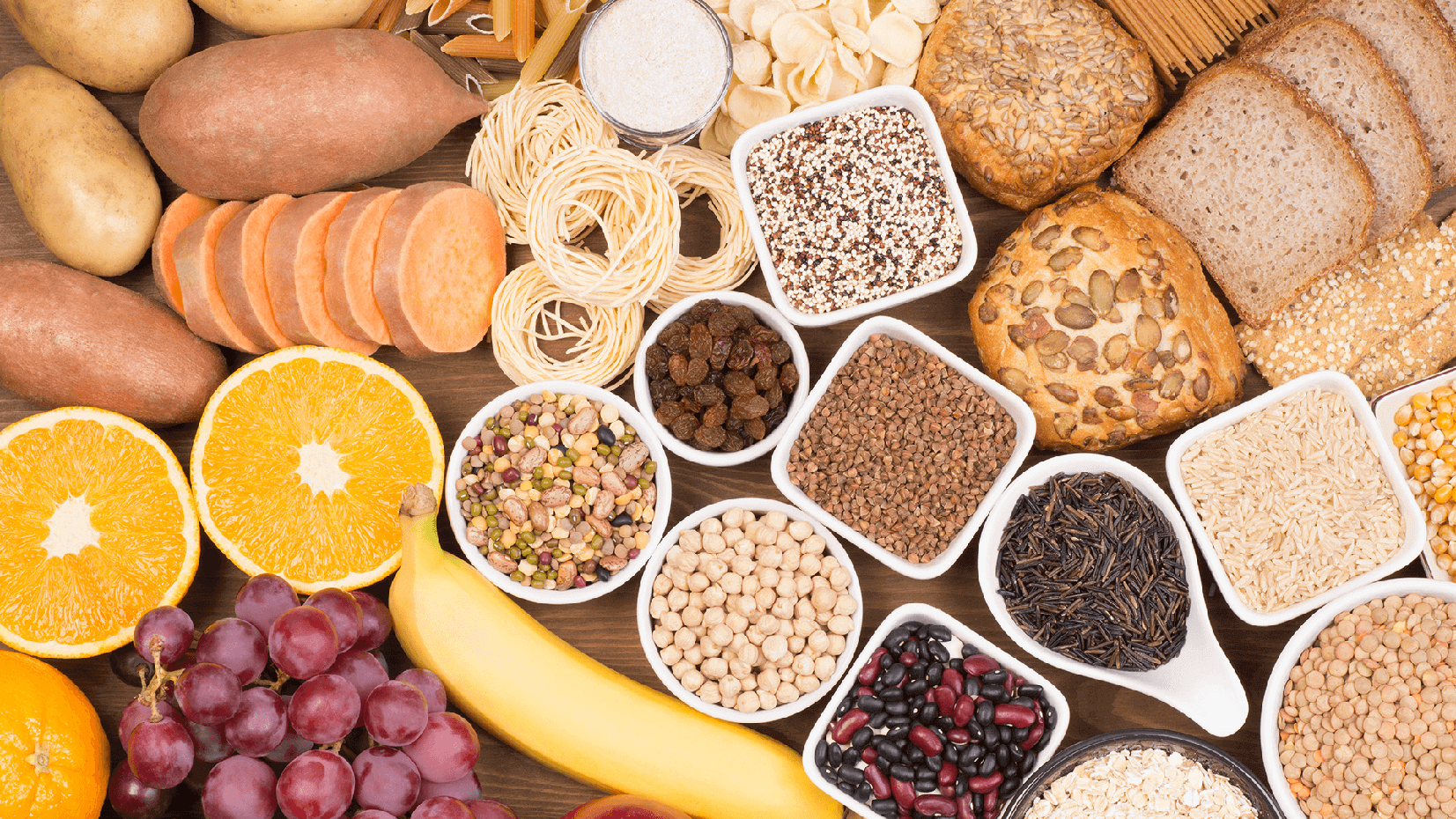 Immunity, Lifestyle, LongevityCarbs Unmasked: Understanding the Good, the Bad, and Their Impact on Your Body
I saw an ad on my phone while playing Spider Solitaire, showing a nifty ‘nice cream’ maker. A hand put bananas and strawberries into a chute, and out came a delicious-looking pink dessert. The sales copy said something like, “Do you like ice cream but don’t want all the sugar and carbs? Are you kidding me? Do they think we don’t know that bananas and strawberries are FULL of sugar and carbs?
-
 Immunity, Lifestyle, LongevityCollagen: The Ultimate Fountain of Youth for Health and Longevity
Collagen makes up a third of the protein in the human body. It's in charge of making and keeping your skin, bones, muscles, tendons, and ligaments (altogether called soft tissue) strong and healthy. There are twenty-eight different collagen types that work to keep you upright, held together, moving, flexible, and looking fabulous.
-
 Immunity, Lifestyle, LongevityBrittle Nails? Uncover the Nutritional Deficiencies Behind Them
It's never enjoyable to look at your nails and realize one or more of them has broken. For some people, it seems like brittle nails are just a fact of life. However, this doesn't have to be the case. Sometimes specific deficiencies cause problems with your nails, but proper nutritional support and good habits can help resolve these problems.
-
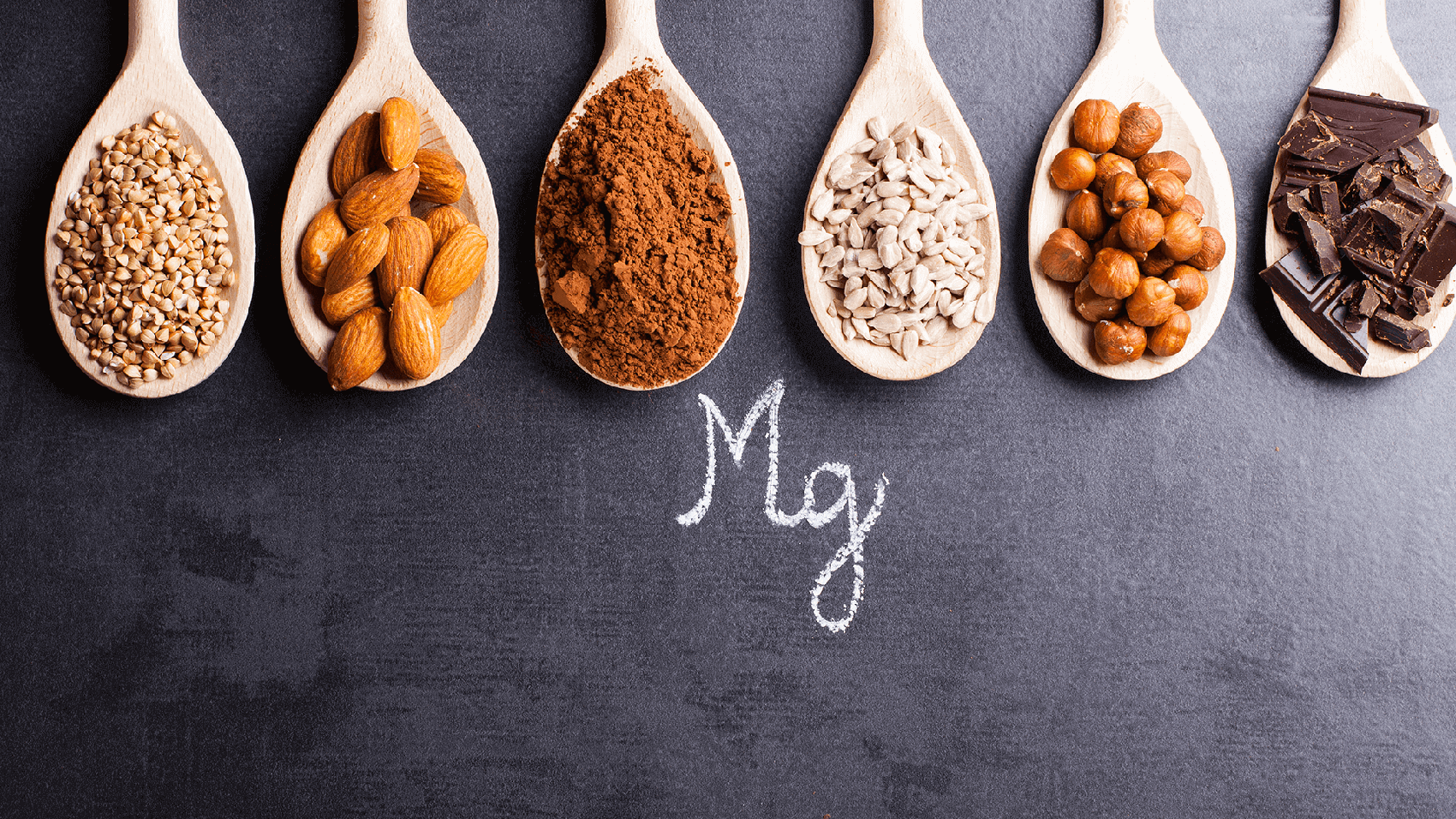 Immunity, Lifestyle, LongevityMagnesium Masterclass: Everything You Need to Know for Optimal Health
Magnesium is a mineral that is required for many chemical reactions in the body. As a key player in energy metabolism, brain cell communication, and immune function, it is important to make sure you are getting enough magnesium every day to avoid any problems in these areas (and many more). Interestingly, about 99% of the magnesium in your body is typically found in bones, non-muscular soft tissues, and muscle, but the majority of this mineral is located within parts of your bones.
-
 Immunity, Lifestyle, LongevityVitamin K2D3: The Essential Guide to a Little-Known Nutrient Powerhouse
Truly, the only way to know if you are getting enough vitamin D in your diet is to have this checked by your physician. However, evidence shows that roughly 24-40% of the population is actually vitamin D deficient—meaning they have less than the recommended amount of vitamin D in their blood.
-
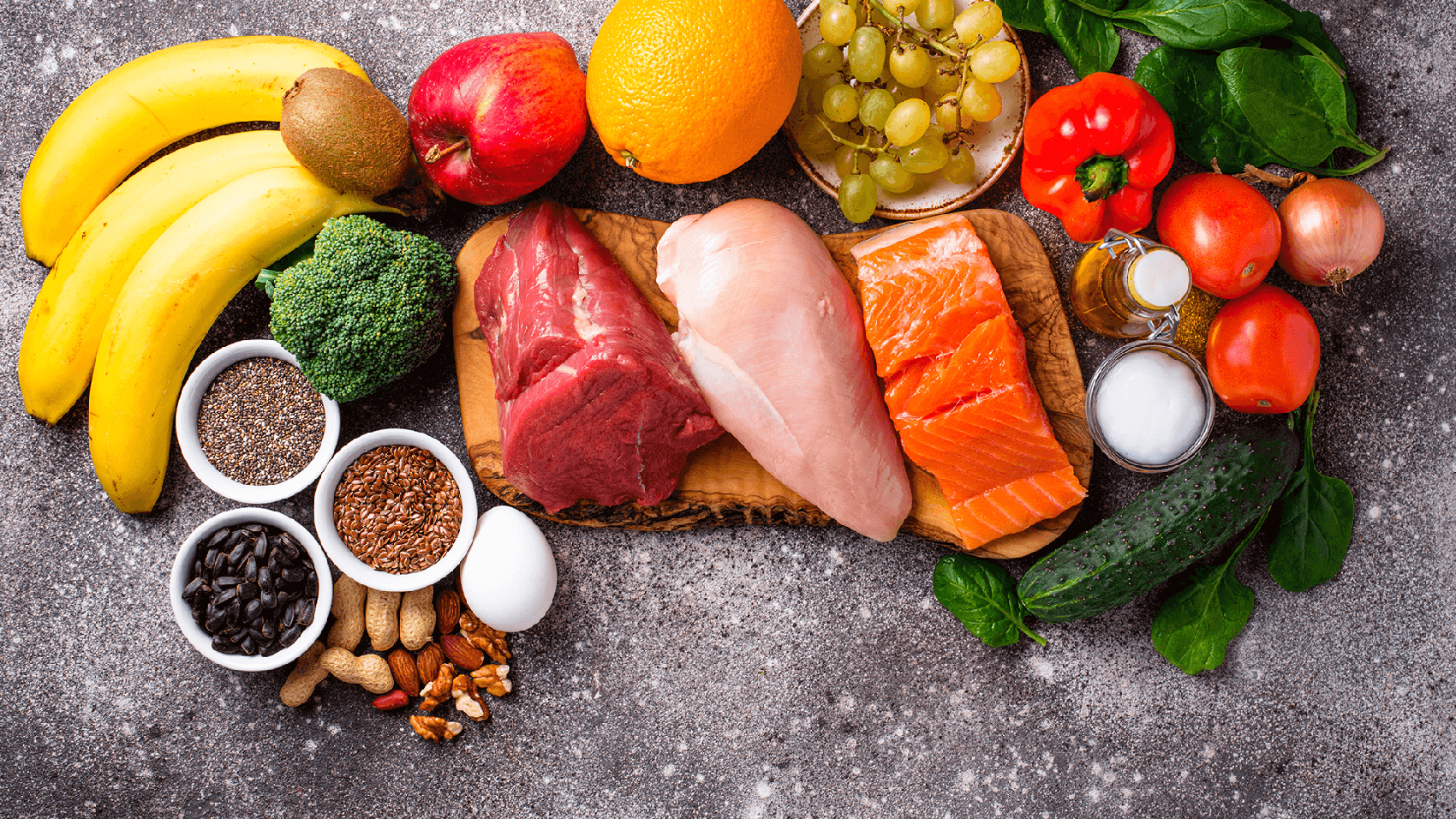 Immunity, Lifestyle, LongevityDecoding the Whole30 Diet: Everything You Need to Know
Melissa Hartwig Urban, the founder, and CEO of the Whole30 brand, doesn’t mince words or beat around any bushes. Her approach to nutrition is sink or swim. You have to be all in and fully committed to the drastic changes required for the life-altering results you’ll love. The Whole30 way is eating whole foods for 30 days. NO cheating. But there are also some entire food groups you’ll eliminate—just for a month.
-
 Immunity, Lifestyle, LongevityAshwagandha Uncovered: Your Ultimate 2021 Guide to Nature's Power Herb
For thousands of years, India has used natural remedies and earth elements as medicine. A medical system called Ayurveda, or the ‘knowledge of life.’ This alternative medicine focuses on balancing the body’s energies by healing our movements, metabolic systems, and overall body structure.
-
 Immunity, Lifestyle, LongevityUnlock the Secrets to Peaceful, Restorative Sleep
A night spent tossing and turning often leads to a rough day. You may find it hard to be in a good mood and be your most productive self. The solution is to get more peaceful sleep, but how do you make that happen? It starts with simple steps and the right support to change your sleep habits. It's no secret that good sleep is important to good health. Even with that knowledge, many people try to get by on less than they need. Studies show the average adult needs at least seven hours of quality sleep each night. Because of busy schedules and long to-do lists, though, sleep sometimes gets pushed to the wayside.
-
 Immunity, Lifestyle, LongevityTraditional Herbal Extracts: Dual Power for Healthier Hair and Body
Scutellaria Baicalensis Georgi is also known as Chinese skullcap. It’s one of the 50 fundamental herbs used in traditional East-Asian medicine. It has been prized for its medicinal properties for thousands of years. Recent studies have shown that this therapeutic plant treats a wide variety of illnesses. In this article, we take a deep dive into the research so you can find out the facts.
-
 Immunity, Lifestyle, LongevityFight Inflammation Naturally: Top Anti-Inflammatory Foods to Add to Your Diet
Inflammation is part of your immune system’s reaction to threats. It’s a healthy and normal response to acute conditions. However, chronic inflammation is not. This response causes systemic stress and is a leading cause of cardiovascular disease, diabetes, and arthritis. The standard American diet consists of numerous foods that increase inflammation and fewer of those that reduce it. To boost your immune system response, consider including these anti-inflammatory foods in your diet daily.
-
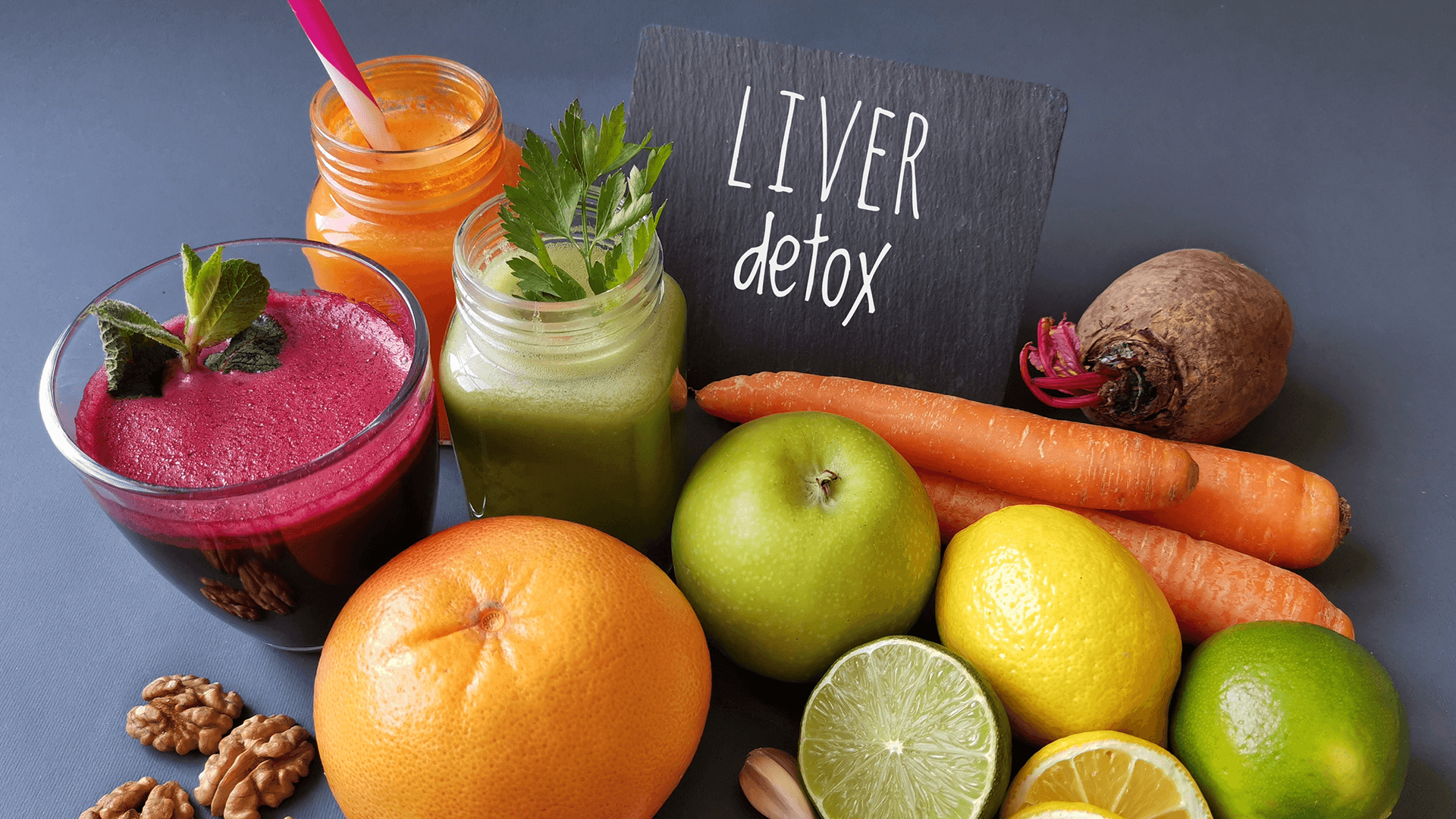 Immunity, Lifestyle, LongevityDo You Really Need a Liver Detox? Find Out Now!
Your liver is one amazing organ that performs hundreds of functions, each essential to good health. Like your other organs and systems, it is necessary to take good care of your liver to maintain energy, eliminate waste, and support circulatory health. Because it helps filter harmful materials out of the bloodstream, many assume you need to detox your liver to keep it from accumulating those detrimental substances.
-
 Immunity, Lifestyle, LongevityVitamin D and Immune Health: The Sunshine Vitamin's Role in Your Body
Vitamin D affects cells in the immune system and protects against infection and autoimmune disorders. It supports immunity by inhibiting B cell proliferation, blocking B cell differentiation, and immunoglobulin secretion. During the recent viral outbreak, researchers noted that U.S. patients with low levels of vitamin D were more likely to be hospitalized. A higher incidence of autoimmune disease is linked with insufficient vitamin D in the body.
-
 Immunity, Lifestyle, LongevityIrish Sea Moss: Nature's Hidden Treasure for Wellness
Irish sea moss grows naturally in the New England seacoast's rocky inlets and tidal reaches, and you can also find it along the Atlantic coast of Europe. Because of its popularity, farmers in several other regions also cultivate it. Also known as rose moss, sea moss is not actually a type of moss. Rather, it is a kind of red algae that resembles the frilly rose-colored leaves of oak leaf lettuce.
-
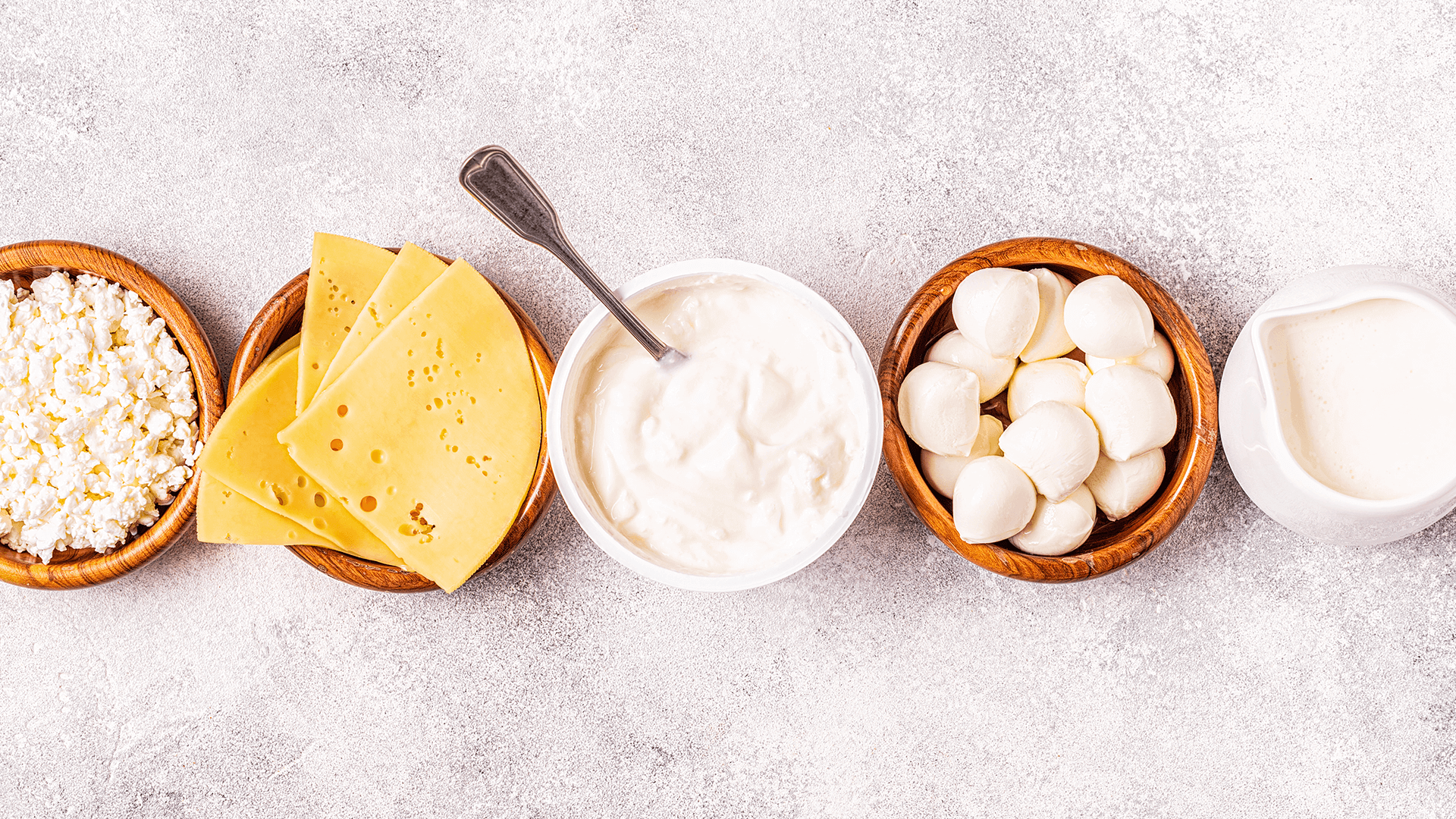 Immunity, Lifestyle, LongevityThe Yogurt Debate: How Probiotics Can Transform Your Health
Yogurt is an excellent source for probiotics, helping digestion and maintaining a healthy immune system. Before we get into which types of yogurt are the best for your gut, let’s look at the benefits of probiotics in the body. Probiotics are live bacteria (yeast or microorganism) found in humans from infants to adults, typically located in the gut, small intestine, and large intestine. Good probiotic bacteria is also found in dairy milk products, breast milk, kombucha, pickles, kimchi, and made into supplement pills.
-
 Immunity, Lifestyle, LongevityLow on Magnesium? Recognize the Signs Before It's Too Late
Magnesium is an essential mineral in the human body — but even though it's available in foods such as leafy greens, beans, and nuts, most people don't meet the recommended 300 to 400 milligrams per day through their diet alone. If you're considering taking a magnesium supplement or you think your current symptoms may point to a magnesium deficiency, learn more about the signs and symptoms of magnesium deficiency and understand which type of magnesium might best address your concerns.
-
 Immunity, Lifestyle, LongevityConquer Anxiety: 7 Powerful Strategies to Regain Control
We all deal with a little worry now and then. It causes us to become concerned and focused on tasks we need to accomplish throughout the day. But what happens when this anxiety becomes a little too much for our own comfort? What happens when this anxiety begins to take away from our productivity and increases procrastination? This has likely been the case for many people around the world: we begin a new task focused and ready to conquer it, only to begin working on another task, and another one after that.
-
 Immunity, Lifestyle, LongevityThe Healing Powers of Elderberry: Nature's Immune Booster
Elderberry is sort of an “umbrella term” for a variety of flowering plants found in the world. One of the most common is the European elderberry (Sambucus nigra or S. nigra), also known as the black elder. As expected, its origins are rooted in Europe, but it is known to grow in many other places around the world. Other types of elderberry include the dwarf elder, blue elderberry, American elder, red-fruited elder, danewort, and antelope brush.
-
 Immunity, Lifestyle, LongevityOmega-3: The Heart-Healthy Choice for a Better Life
Feel that? That’s your heart working hard to pump blood through the blood vessels in your body so that each of your organs can receive the nutrients they need to function at their best. When I say your heart works hard, I mean it works hard. In fact, your heart will beat roughly 100,000 times every day to pump approximately 2,000 gallons of blood around your entire body. That’s hard work. So, you should aim to take care of your heart in the best way possible.
-
 Immunity, Lifestyle, LongevityProbiotics for Women: Unleashing the Power for Optimal Health
Probiotics are supplements composed of good bacteria that can help you digest food and absorb the nutrients your body needs. Inside your body, the bacteria in your gut outnumber your human cells by 10 to one! The complex system of gastrointestinal bacteria is commonly referred to as the gut microbiome. Research is just beginning to scratch the surface of revealing how essential a healthy gut microbiome is to overall health. Some people may experience a disruption in their gut bacteria that leads to an overgrowth of detrimental bacteria and puts the population of beneficial bacteria at risk. This can have very real and very uncomfortable health consequences. Learn more about the causes of gut bacteria imbalances, as well as about probiotics for women and what they can do for you.
-
 Immunity, Lifestyle, LongevityNootropics Unveiled: The Brain-Boosting Truth Behind Smart Drugs
Sometimes we just need a bit of a mental boost to get through our daily projects in and outside of work. Other days, you may want to try and combat awful brain fog that bogs you down and prevents you from becoming motivated and thinking clearly. Fortunately, nootropic compounds appear to be the saving grace when it comes to sharpening our mental abilities.
-
 Immunity, Lifestyle, LongevityUnlock the Secret Powers of Berberine for Your Health
Berberine is a biologically active compound that is derived from various types of plants, such as the Berberis shrub. This compound is what is known as an isoquinoline alkaloid, which is a fancy name that identifies its chemical structure and designates its category of class. Berberine appears bright yellow in color and can be found in different parts of a berberine-containing shrub such as the roots, stem, and bark.
-
 Immunity, Lifestyle, LongevityGlowing from the Inside Out: Top Tips for Radiant Hair, Skin, and Nails
One of the ways you can improve your hair health is simply by taking care of it with the best shampoos available on the market. But, over the years, there has been a rise in concern over the use of certain man-made chemicals like sulphates and parabens in shampoos. However, science has shown that these compounds are not a cause of concern and are quite safe for use, but this largely depends on who you are and if you have underlying health conditions like sensitive skin or eczema. Nevertheless, it always feels better when natural compounds are used, especially when it pertains to our health. This said, just because something is natural doesn’t mean that it is safe. Thus, caution should be taken when selecting your natural shampoos.
-
 Immunity, Lifestyle, LongevityTurmeric: The Ancient Superfood for Modern Health Wonders
Turmeric comes from a perennial plant in the ginger family native in Southern Asia. It's what gives Indian curry a yellow color and some of its fabulous, pungent, earthy flavor. Most of the turmeric we use is grown in India and exported all over the world, but China, Vietnam, and Peru also produce and ship it. You can buy it fresh in the produce department of some groceries, and it's usually available as a spice in most baking aisles.
-
 Immunity, Lifestyle, LongevityConsidering Hair Transplant? Here’s Everything You Need to Know
As we age, we tend to experience increasing rates of hair loss. This can be natural due to the aging process or influenced by genetics. One of the ways that people have tried to restore lost hair is through hair transplant. This is basically the process by which a surgeon moves hair from one area on the head (usually from a place where it continues to grow) to areas where hair is missing.
-
 Immunity, Lifestyle, LongevityD-Mannose Demystified: What You Need to Know for Your Health
D-Mannose, or simply mannose, is a close cousin to glucose, which is the typical sugar used by the body. It is readily taken up by cells in a much similar way as glucose, but its metabolic fate differs slightly. Once the cell breaks down mannose, some of it is used to attach sugary chains into proteins and lipids in a process called glycosylation—or more specifically, mannosylation. The attachment of sugary chains to proteins and lipids is necessary for these molecules to function properly inside of the cell. The rest of the broken-down mannose is then further degraded in glycolysis to be used as energy for the cell.
-
 ${group.getAttribute("blog_page_tags")}Clinical Effects Blog
${group.getAttribute("content")}
-
- ${group.getAttribute("blog_page_tags")}Clinical Effects Blog
${group.getAttribute("content")}
- ${group.getAttribute("blog_page_tags")}Clinical Effects Blog
${group.getAttribute("content")}
- ${group.getAttribute("blog_page_tags")}Clinical Effects Blog
${group.getAttribute("content")}
- ${group.getAttribute("blog_page_tags")}Clinical Effects Blog
${group.getAttribute("content")}
- ${group.getAttribute("blog_page_tags")}Clinical Effects Blog
${group.getAttribute("content")}
- ${group.getAttribute("blog_page_tags")}Clinical Effects Blog
${group.getAttribute("content")}
- ${group.getAttribute("blog_page_tags")}Clinical Effects Blog
${group.getAttribute("content")}
- ${group.getAttribute("blog_page_tags")}Clinical Effects Blog
${group.getAttribute("content")}
- ${group.getAttribute("blog_page_tags")}Clinical Effects Blog
${group.getAttribute("content")}


Sign up now and receive
10% Off
Your Order
Cannot be combined with any other discount
By submitting your email address, you agree to receive marketing emails from Clinical Effects. We may use information collected about you on our site to suggest other products and offers. You can unsubscribe at any time. View Terms & Privacy
Thank you! Check your email for your discount
- (833) 332-8655
- support@clinicaleffects.com

